
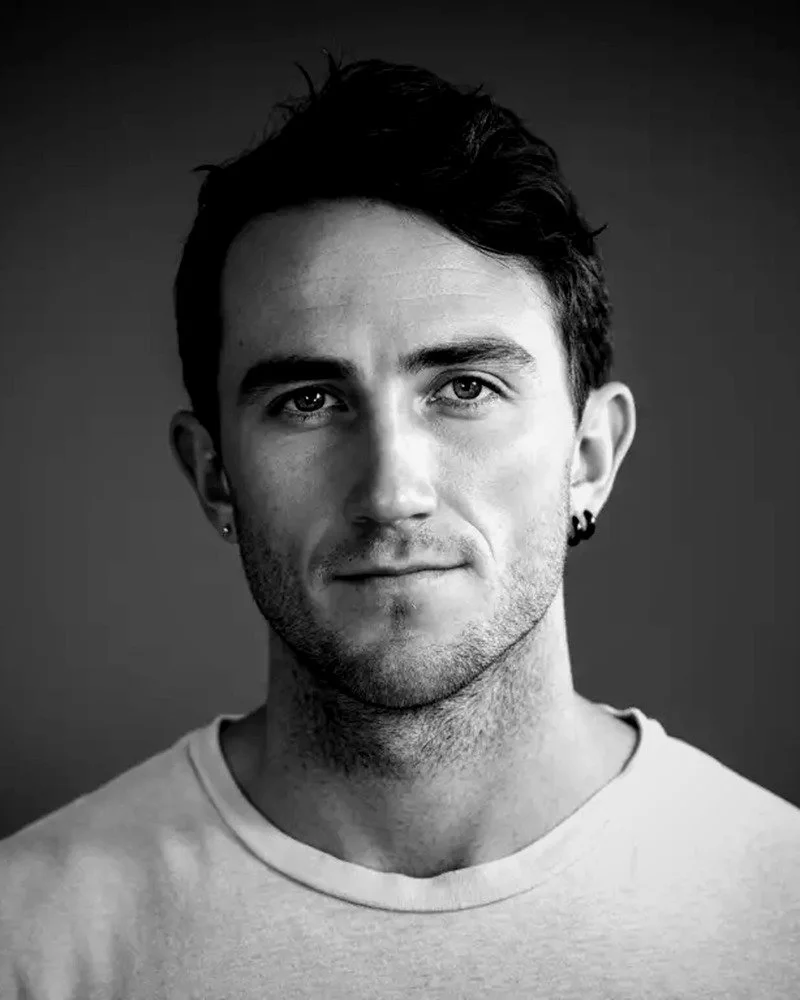
I'm Jack. I've done every job on the list.
My background is economics and marketing strategy, not film school. I came up the other way — hustling with small clients who couldn't afford a crew, which meant one person had to be the crew. I ran the camera. I directed the scene. I cut the footage. Then I read the performance data afterward and found out whether any of it actually worked.
That last part is the one most creatives skip.
Here's what it taught me. A beautiful video that doesn't move sales is hard for anyone to justify twice. And a beautiful video that misrepresents the brand is worse than posting nothing — you paid to make the wrong impression at scale, and it stays up.
Why briefs drift. Most agency heads have either never edited, or last edited long enough ago that the tools have changed underneath them. That's not a character flaw, it's a structural problem: if you can't picture the timeline, you can't tell whether what you're asking for is a ten-minute change or a two-day rebuild, and you can't tell whether what came back was the best available answer or the fastest one.
So the brief takes four trips. You explain it. The agency head interprets it — if you get access to the agency head at all. They relay it to editors. The editors decide what's actually feasible. Each hop is small. What ships is not what you described.
I've held every position I'd hire for, so I know what each one actually costs in hours and what it can realistically deliver. Nothing needs translating, because there's nobody to translate to.
Agency owners call plays from the sideline. I'd rather be the quarterback who's read the defense before the snap — because no creative project ever goes exactly to script. It's an evolving process by nature. Clients learn about themselves as they define who they are on screen.